


Overweight and Obesity
The world is facing an obesity epidemic—according to the WHO, nearly 1.9 billion adults are overweight and over 650 million are obese (WHO, 2026). Overweight increases the risk of metabolic syndrome and serious diseases such as type 2 diabetes, cardiovascular diseases (e.g., heart attack, stroke) and non-alcoholic fatty liver disease. Our solutions intervene early in this cascade: We offer approaches to prevent and counteract the progression of syndrome and counteract it. By helping to reduce excess weight and abdominal fat, as well as improve metabolic markers (blood sugar, cholesterol, etc.), our products contribute to better overall health and healthy aging. We address overweight/obesity in a safe, non-systemic manner—as a complement to lifestyle changes and also in conjunction with other therapies.
Dry Mouth & Oral Health
Chronic dry mouth is a frequently underestimated condition that can significantly impair quality of life. Normally, the salivary glands produce 0.5–1.5 liters of saliva daily, which protects the oral mucosa (Iorgulescu, 2009). Reduced saliva production leads to symptoms such as difficulty speaking, swallowing, and chewing, as well as an increased risk of tooth decay, gum inflammation, and bad breath. In severe cases, xerostomia can lead to sleep disturbances and nutritional problems. Common causes include side effects of medications, diabetes, autoimmune diseases, or CPAP therapy for sleep apnea. Certmedica offers people with dry mouth intensive care and protection for the mucous membranes with the aldiamed product line.


Women’s Health & Hormonal Life Stages
Women’s health is closely linked to hormonal changes and metabolic processes. During menopause in particular, hormonal changes often lead to weight gain, altered fat distribution, and increased metabolic vulnerability. Body weight also plays a central role when trying to conceive, as being overweight can impair fertility and increase pregnancy risks. As specialists in evidence-based weight management with formoline®, we are making a contribution to women’s health.
Metabolic Syndrome & Longevity
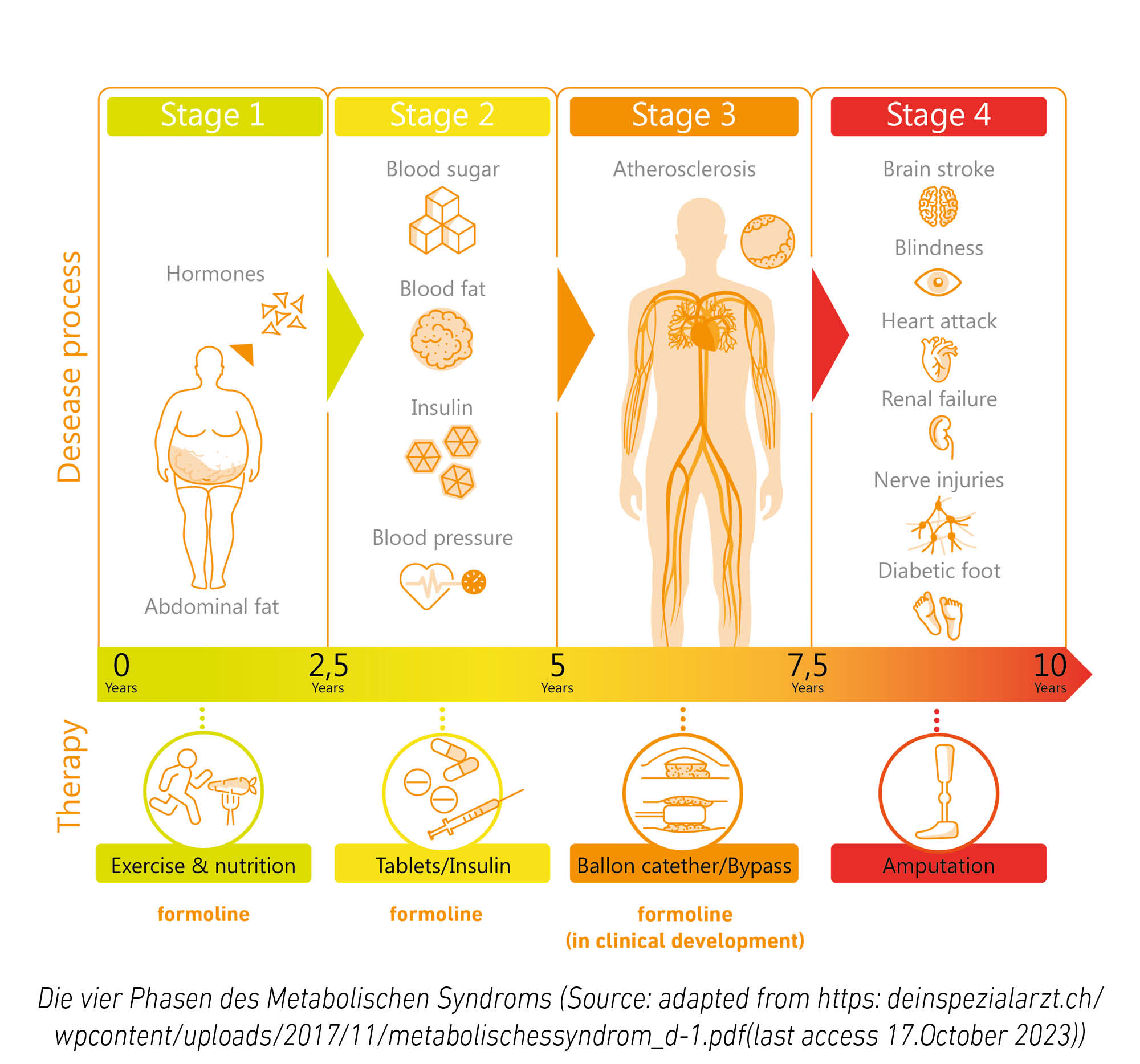
Metabolic syndrome is a key risk factor for a shorter lifespan. The combination of abdominal obesity, dyslipidemia, hypertension, and impaired glucose tolerance promotes chronic inflammatory processes and accelerates the development of cardiovascular diseases. Atherosclerosis, in particular, contributes significantly to the risk of heart attack and stroke. Longevity means not only a longer life, but as many healthy years as possible in metabolic stability. Early intervention for overweight and metabolic risk factors can slow the progression of these processes. Certmedica views metabolic management as part of a longevity strategy and contributes to reducing cardiovascular risks through evidence-based approaches to weight loss and improvement of lipid parameters.


Polyglucosamine L112 – an active ingredient with many facets
Like a diamond, the active dietary fiber polyglucosamine L112 also has many facets. The raw material is derived from chitin, which is extracted from the shells of snow crabs (Alaskan snow crabs, Chionoecetes opilio). These crustaceans are caught for the food industry—their meat is used as food, while the shells provide a valuable natural raw material for the production of polyglucosamine L112.
Polyglucosamine L112 is produced from this material using a specialized process. According to specific Certmedica specifications, it is used as the active ingredient in formoline L112 products. Polyglucosamine L112 possesses an exceptionally high fat binding capacity and can bind significant amounts of dietary fats, as well as oxidized fats and cholesterol, in the digestive tract. As a result, it contributes to weight loss and can simultaneously lower LDL cholesterol and the inflammatory marker hs-CRP.
Furthermore, as a dietary fiber, Polyglucosamine L112 has additional positive effects. Dietary fiber supports gut health, can improve stool consistency, and promote the diversity of the gut microbiome.
Only polyglucosamine L112 is used in the manufacture of formoline L112, which has a verified fat-binding capacity of at least 680 g of fat per gram of active ingredient and is processed in accordance with the strict quality standards of Certmedica.
Clinical Evidence for formoline L112
The efficacy of formoline L112 (polyglucosamine L112) has been demonstrated by several randomized, placebo-controlled clinical trials as well as meta-analyses.
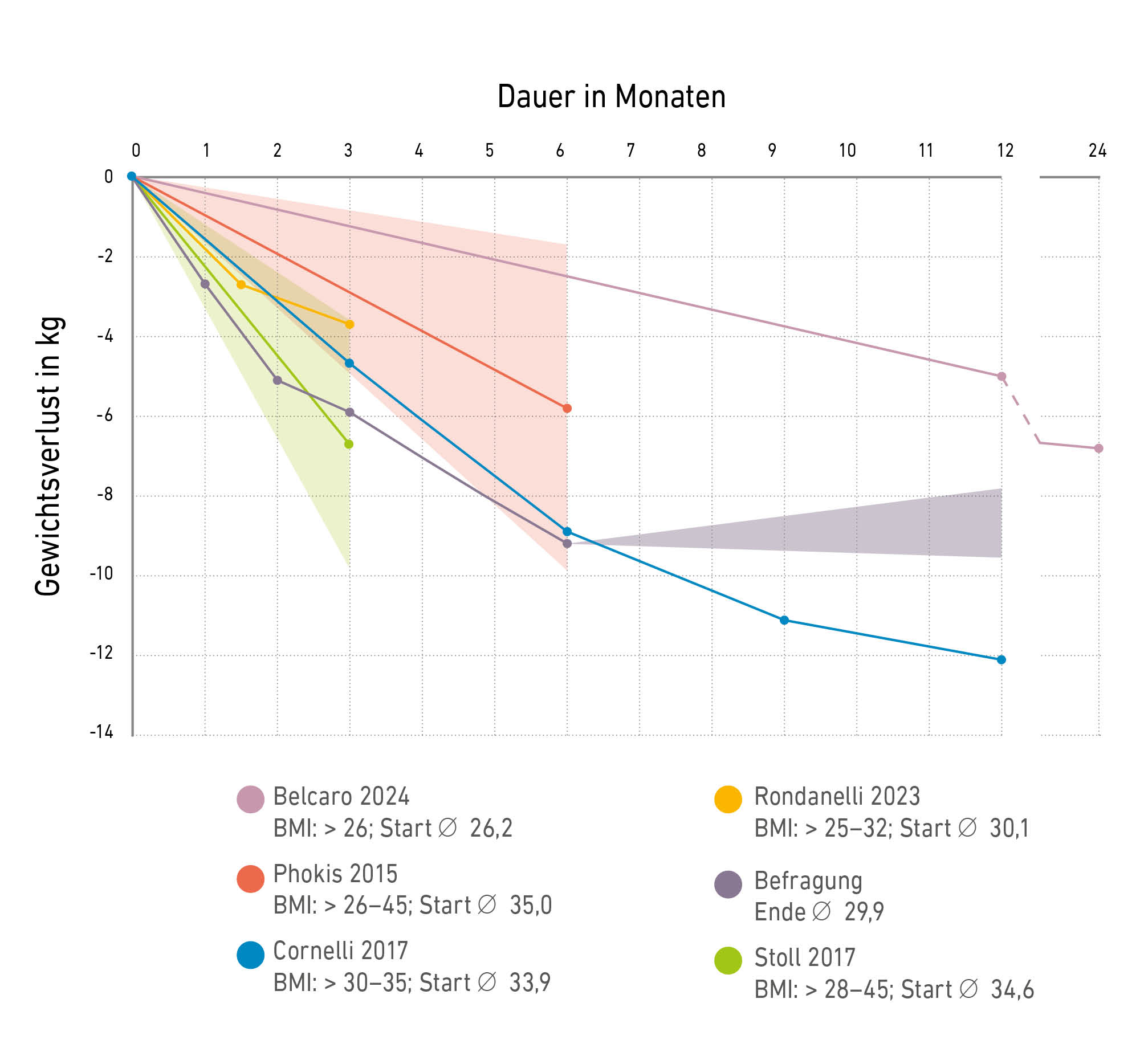
In a randomized long-term study spanning 12 months, overweight and obese participants lost an average of more than 12 kg of body weight and reduced their waist circumference by over 13 cm (Cornelli et al., 2017).
Further studies show that formoline L112, when used in conjunction with moderate calorie restriction, contributes to weight loss about three times more effectively than baseline therapy alone, while simultaneously improving metabolic parameters such as insulin levels and insulin resistance (Rondanelli et al., 2023). In a direct comparative study, polyglucosamine also achieved at least equivalent, and in some cases better, results than orlistat (Stoll et al., 2017).
Subgroup analyses show that metabolic syndrome regresses in a significantly more patients with L112, with improvements in BMI, body fat, and visceral fat (Rondanelli et al., 2025). Furthermore, more patients achieved a clinically relevant reduction in total cholesterol and their body weight by over 10% and 5% respectively. (Rondanelli et al., 2023).
Preclinical studies on the mechanism of action also show that polyglucosamine can bind up to two-thirds of the dietary fats absorbed in the digestive tract (Cnubben et al., 2016).
Clinical Pipeline
Our current development pipeline focuses on expanding the applications of our proprietary polyglucosamine technology as well as on new products in related healthcare areas. To further consolidate our position, our clinical research places a special focus on stages 1 through 3 of metabolic syndrome. In doing so, we specifically address early to advanced risk profiles in order to further develop preventive and therapeutic approaches based on evidence.
A central research initiative is a clinical project investigating the potential cardiovascular effects of Polyglucosamine L112. Initial exploratory clinical data (Belcaro et al., 2024) involving 284 subjects without manifest cardiovascular disease showed improvements in early atherosclerotic markers. For example, carotid intima-media thickness (cIMT) decreased by an average of 0.107 mm, while it increased slightly in the control group. Additionally, reductions in oxidative stress markers as well as improvements in weight, cholesterol, and blood pressure were observed.
CAPTURE Study
Based on these promising data, Certmedica has initiated the large-scale CAPTURE study (Cardio and Atherosclerosis Prevention and Treatment via fat Uptake REduction). This is a randomized, double-blind, placebo-controlled, multicenter study involving patients with increased cardiovascular risk, such as those with diabetes or hypercholesterolemia. The primary endpoint of the study is the change in carotid intima-media thickness. Secondary endpoints include plaque volume, LDL cholesterol, markers of low-grade inflammation, and other metabolic parameters.
The study is being conducted under the scientific direction of Prof. Dr. Stefano Masi (University of Pisa), a recognized expert in cardiovascular diseases. Several clinical centers in Europe—are participating in data collection to ensure a robust multicenter study design. The results of this study are expected in 2027 and could open up new perspectives on the role of polyglucosamine L112 in cardiovascular prevention.
Webseite der WHO besucht am 22. April 2026: https://www.who.int/news-room/fact-sheets/detail/obesity-and-overweight
Iorgulescu, G. (2009). Saliva between normal and pathological. Important factors in determining systemic and oral health. J Med Life, 2(3), 303–307.
Cornelli, U., Belcaro, G., Recchia, M., & D’Orazio, N. (2017). Long-Term Treatment of Overweight and Obesity with Polyglucosamine (PG L112): Randomized Study Compared with Placebo in Subjects after Caloric Restriction. Curr Dev Nutr, 1(10), e000919. doi:10.3945/cdn.117.000919.
Rondanelli, M. et al. (2023): A Randomized Double-Blind Placebo-Controlled Clinical Study to Evaluate the Effect on the Weight of a Medical Device with Polyglucosamine L112 in a Group of Overweight and Obese Subjects. Nutrients 2023, 15, 3516. DOI 10.3390/nu15163516 Original Study.
Stoll M. et al. (2017): Randomized, double-blind, clinical investigation to compare orlistat 60 mg and a customized polyglucosamine, two treatment methods for the management of overweight and obesity. BMC Obesity 4(4): 1 – 9. DOI 10.1186/s40608-016-0130-4.
Rondanelli, M. et al. (2025): Modification of metabolic syndrome parameters following the administration of polyglucosamine L112: results of a subgroup analysis of subjects enrolled in a double blind randomised placebo controlled clinical investigation. BMC Nutr 11, 170 (2025). DOI 10.1186/s40795-025-01153-8 Original Study.
Cnubben N. H., Tel, S. L., Hemmes, M. A., Langenkamp-Brand, A., Grossouw, D., Jansen, H. T., & de Bie, B. T. (2016). A single oral dose of a polyglucosamine influences the bioavailability of [9-(14)C]-Oleic acid in adult female Gottingen minipigs. BMC Obes, 3, 18. doi:10.1186/s40608-016-0096-22.
Belcaro, G. et al. (2024) ‘Intestinal fat absorption shifting by polyglucosamine biopolymer: Control of lipids and reduction of progression of early subclinical atherosclerosis’, Minerva Gastroenterology, 70(1), pp. 22–28. doi:10.23736/S2724-5985.23.03539-8.